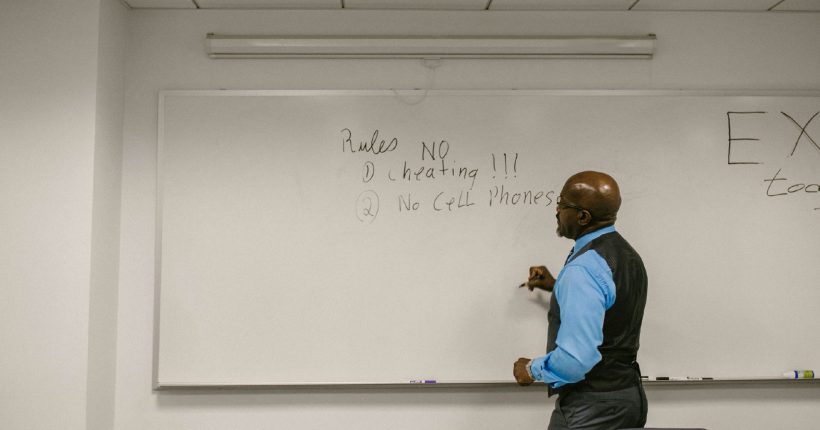

Introduction: When Organizations Fail to Learn
Most organizations pride themselves on learning—reviewing mistakes, implementing corrective actions, and adapting strategies. Yet, in reality, many continue to repeat the same errors. The problem is not lack of information, but failure to convert insights into actionable learning.
Internal audit, with its unique access to operational, financial, and strategic data, is positioned to spot these learning gaps before they become systemic risks. However, traditional audit approaches often focus on compliance and control adherence, failing to detect why lessons are not being absorbed or applied.
Organizational learning failures are subtle, cumulative, and cultural—they hide in ignored recommendations, untracked improvements, and recurring operational missteps. Recognizing and auditing these failures requires a shift from checking boxes to interpreting patterns, behaviors, and systemic friction.
Why Learning Failures Persist
Organizational learning failures persist due to a combination of structural, behavioral, and cognitive factors:
- Overconfidence and Complacency: Teams assume prior corrective actions are sufficient, leading to superficial fixes rather than root cause resolution.
- Siloed Knowledge: Information is fragmented across departments; lessons from one area rarely influence decisions elsewhere.
- Incentive Misalignment: Employees may be rewarded for short-term performance, creating little motivation to implement learning that prevents future failure.
- Cultural Blind Spots: Organizations may unintentionally normalize recurring errors, treating them as operational noise rather than opportunities for insight.
- Ineffective Feedback Loops: Audit findings, management responses, and process improvements often remain disconnected, making it difficult to track whether lessons are applied.
Without deliberate intervention, these factors combine to create learning stagnation, leaving organizations vulnerable to repeated failures and inefficiency.
The Auditor’s Role in Detecting Learning Failures
Auditors play a unique role in illuminating gaps in organizational learning. Key approaches include:
1. Tracking Recurring Findings
Instead of treating repeated audit exceptions as isolated events, auditors should analyze trends across cycles. Recurring issues often signal systemic gaps in knowledge transfer, process adaptation, or managerial follow-up.
2. Assessing Corrective Action Implementation
Auditors must go beyond recommendation issuance to evaluate whether actions are truly implemented, monitored, and embedded into practice. This involves verifying progress, evaluating impact, and assessing sustainability.
3. Evaluating Knowledge Sharing Mechanisms
Learning is impossible without structured knowledge transfer. Auditors should review how lessons are communicated, documented, and reinforced across teams, ensuring that critical insights reach the right stakeholders.
4. Measuring Cultural Receptivity
Behavioral and cultural factors dictate whether lessons are absorbed. Through interviews, observation, and surveys, auditors can detect resistance to feedback, normalization of errors, or misalignment between values and practice.
5. Linking Learning to Strategy
Audit should assess whether organizational learning aligns with strategic goals. Are lessons from operational failures influencing risk management, investment decisions, and process design? If not, learning remains superficial and disconnected from organizational performance.
Practical Example
A multinational manufacturing firm repeatedly experienced quality deviations in production lines. Each incident was addressed individually, but root causes persisted.
The internal audit team applied a learning-focused lens:
- Tracked recurring deviations across plants
- Evaluated corrective action follow-through
- Interviewed line managers to understand cultural resistance
- Linked recurring quality failures to incentive structures
By highlighting systemic learning gaps, audit influenced changes in training programs, reporting structures, and incentive alignment. The organization transformed repeated mistakes into institutional learning, reducing defects and operational risk.
A Six-Step Framework to Audit Learning Failures
- Identify Recurring Issues: Track repeat findings across audits and cycles.
- Evaluate Corrective Action: Measure implementation, sustainability, and impact.
- Map Knowledge Flows: Review how lessons are documented, shared, and applied.
- Assess Behavioral & Cultural Factors: Detect resistance, normalization, and misalignment.
- Connect to Strategic Goals: Ensure learning contributes to risk reduction and organizational objectives.
- Report with Insight: Translate findings into actionable guidance that drives cultural and process change.
Conclusion: Turning Audit into a Learning Catalyst
Auditing organizational learning failures requires more than compliance review—it demands strategic insight, behavioral analysis, and systemic thinking.
When internal audit identifies gaps in learning, it transforms from a historical reporting function into a forward-looking advisory partner, enabling the organization to adapt, innovate, and thrive.
In today’s fast-moving, complex business landscape, learning is not optional; it is a competitive differentiator. Auditors who detect and close learning gaps create resilient, adaptive organizations capable of turning mistakes into opportunity.
Our Commitment at AfriAudit
AfriAudit is more than a newsletter. It is a continent-wide campaign to elevate internal audit from silence to influence—from compliance to contribution.
We exist to:
- Equip auditors with a modern, courageous audit mindset
- Position audit functions as value drivers, not cost centers
- Build bridges between audit professionals and executive leadership
- Restore trust in institutions through transparency and strategic oversight
We believe that when audit thinks deeply, speaks clearly, and acts bravely—organizations transform.
And Africa wins.
Let’s Build This Together
Are you a fellow auditor, board member, risk leader, or institutional head who believes that reflection is the next frontier of governance?
- Comment below: How does your board detect drift before it becomes failure?
- Follow AfriAudit for weekly insights that challenge, sharpen, and inspire.
- Subscribe to join the growing network of African audit transformers.
With clarity and commitment,
Titus Wambua
Chief Audit Executive | Governance Advisor | Founder, AfriAudit
Turning internal audit into a boardroom asset—one institution at a time.